


Headless & Composable Engineering for eCommerce
We separate the experience from the platform.
We design and build digital experiences that stand independent of the systems powering them. An approach that gives more freedom in interface design, makes room for specialised technologies and makes it easier to evolve individual parts of the platform.
From eCommerce to corporate websites and web applications, we choose headless and composable architectures when the gains in personalisation, performance and flexibility justify the added technical complexity.
What sets us apart
More freedom to design. With complexity kept under control.
- 01
Experiences beyond the limits of themes.
We design custom interfaces, journeys and features, without depending on the structure and components of a predefined theme.
- 02
Performance as a design choice.
An independent front-end lets us work on rendering, loading and content delivery, optimising the speed and responsiveness of the experience.
- 03
Every technology in its place.
Commerce, CMS, search and specialised services can coexist in the same architecture. We choose the best fit for each function, rather than concentrating everything in a single system.
- 04
Evolving without starting from scratch.
A modular architecture makes it possible to introduce new features, integrate services or update individual components while reducing dependencies between systems.
- 05
The right architecture, not the most complex one.
We assess when headless brings real benefits and when a traditional solution works better. From the outset we weigh costs, maintenance and team autonomy, not just technical possibilities.
What we build.
Headless Shopify.
The solidity of Shopify Plus to run commerce, with the freedom to design tailored front-ends, purchase journeys and features, beyond the constraints of traditional themes.
Composable architectures.
Commerce, marketplace, search and other specialised services integrated into a single platform. Each technology has a precise role and can evolve without constraining the others.
Headless beyond eCommerce.
Corporate websites and digital experiences that combine design freedom with autonomous content management, through custom front-ends and headless CMSs.
Technologies.
- Shopify Hydrogen
- Vercel
- Strapi
- Storyblok
- Algolia
- Google Cloud
Headless projects.
All projects

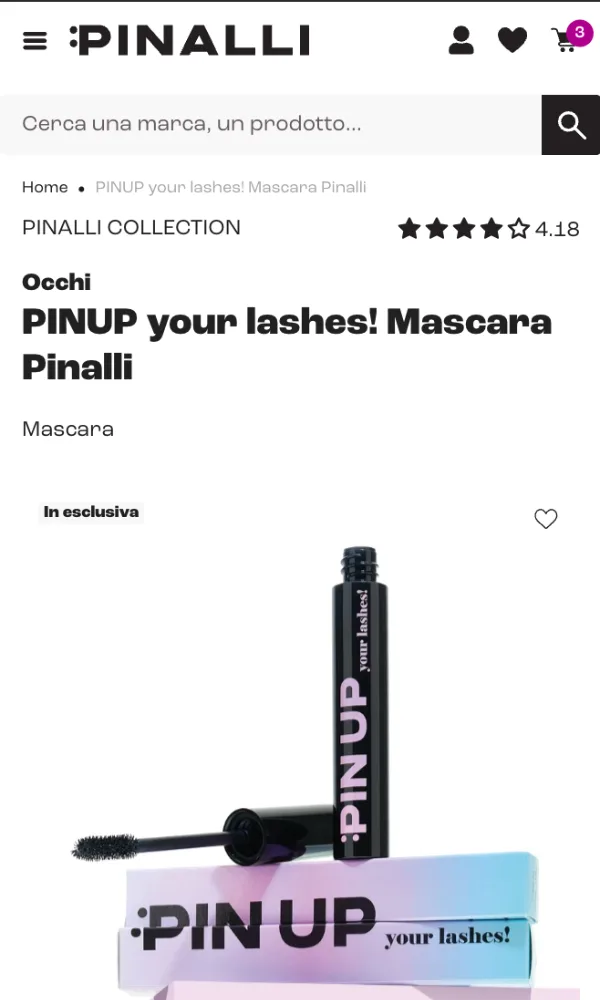
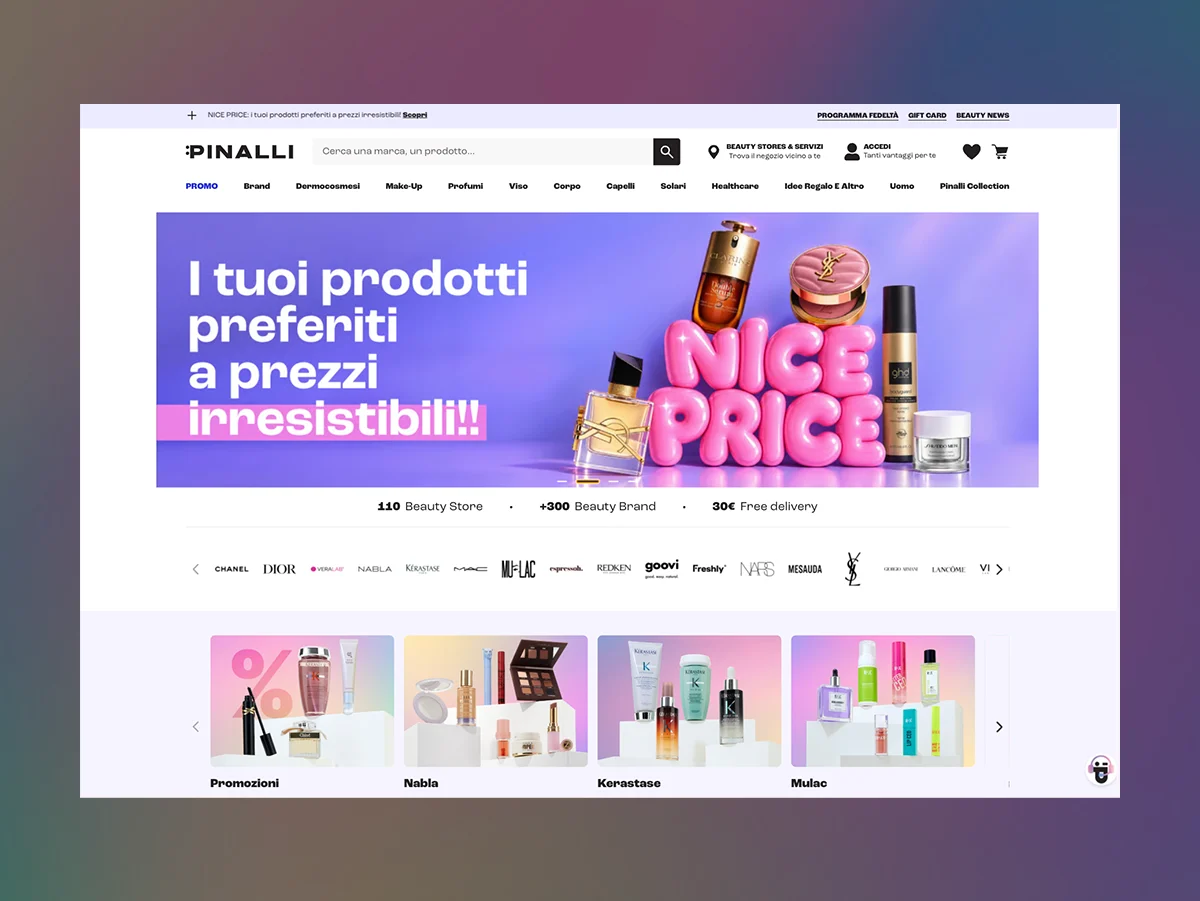
- UX Research
- UX/UI Design
- Headless & Composable
- +1
PinalliOne beauty experience, online and in more than 100 stores.


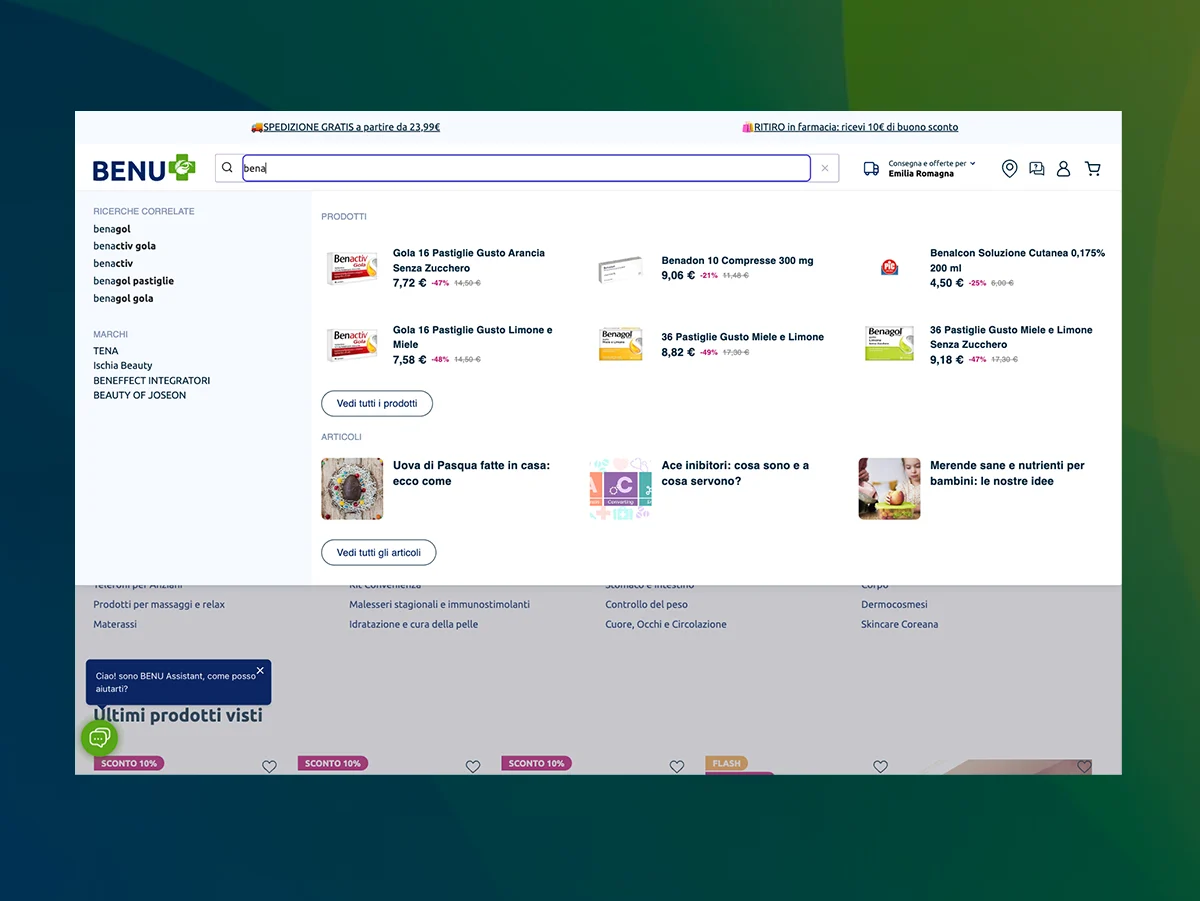
- UX/UI Design
- Headless & Composable
- Integration & AI Automation
- +1
CRAIA new digital identity for a historic grocery retail brand.


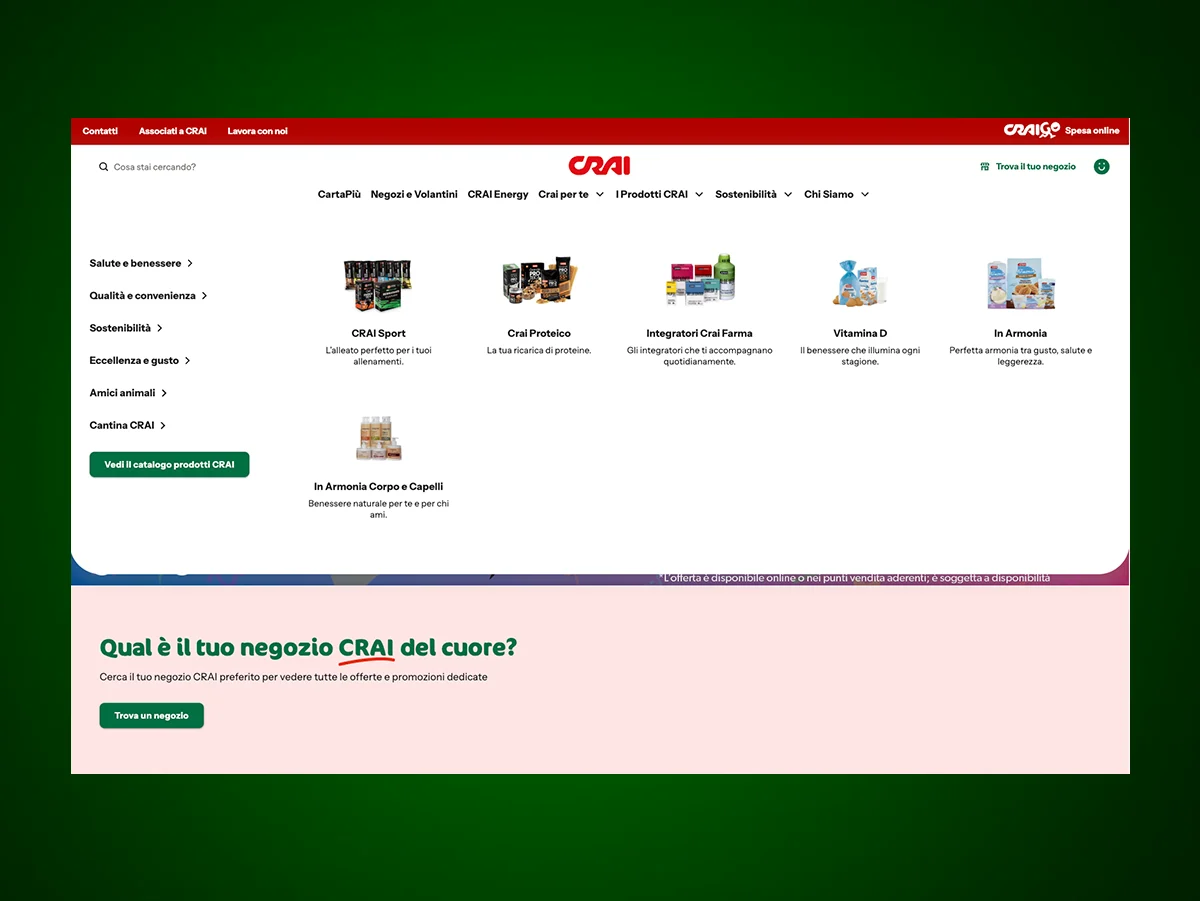
- UX/UI Design
- Headless & Composable
- Experience Management
- +4
Benu FarmaAn integrated shopping experience across pharmacy, digital and services.
Capability.
Headless and composable architectures , Custom front-end development , API and business system integration , Headless CMS and content modelling , Performance optimisation , Custom web applications
Frequently asked questions.
When should you choose a headless architecture?
When you need highly personalised experiences, complex integrations, more control over the front-end or the ability to evolve different systems independently. The choice depends on the project's goals: the benefits do not always justify the added complexity.
Does headless mean a faster website?
Not automatically. A headless architecture gives more control over technologies and rendering methods, but performance depends on how it is designed and built. A well-optimised traditional theme can be just as effective.
Is headless Shopify better than a custom theme?
It depends on the level of customisation required. A Shopify theme can be the most efficient choice for many eCommerce projects. Headless becomes worthwhile when you need experiences, integrations or features that are hard to build and maintain through a theme.
How much does it cost to maintain a headless solution?
It generally calls for more technical expertise and more involved management than a traditional solution. Costs depend on the technologies used, the integrations and how the platform needs to evolve. That is why we assess the total cost of the solution, not just the initial build.
Can we move to headless gradually?
In many cases, yes. A progressive migration can be planned, keeping some existing systems and working first on the components that bring the greatest benefits. Feasibility depends on the starting architecture.
Can the marketing team keep managing content on its own?
Yes. A headless CMS, with well-designed components and content models, lets editorial teams update copy, images and sections without touching the code. The level of autonomy depends on the tools and features put in place.